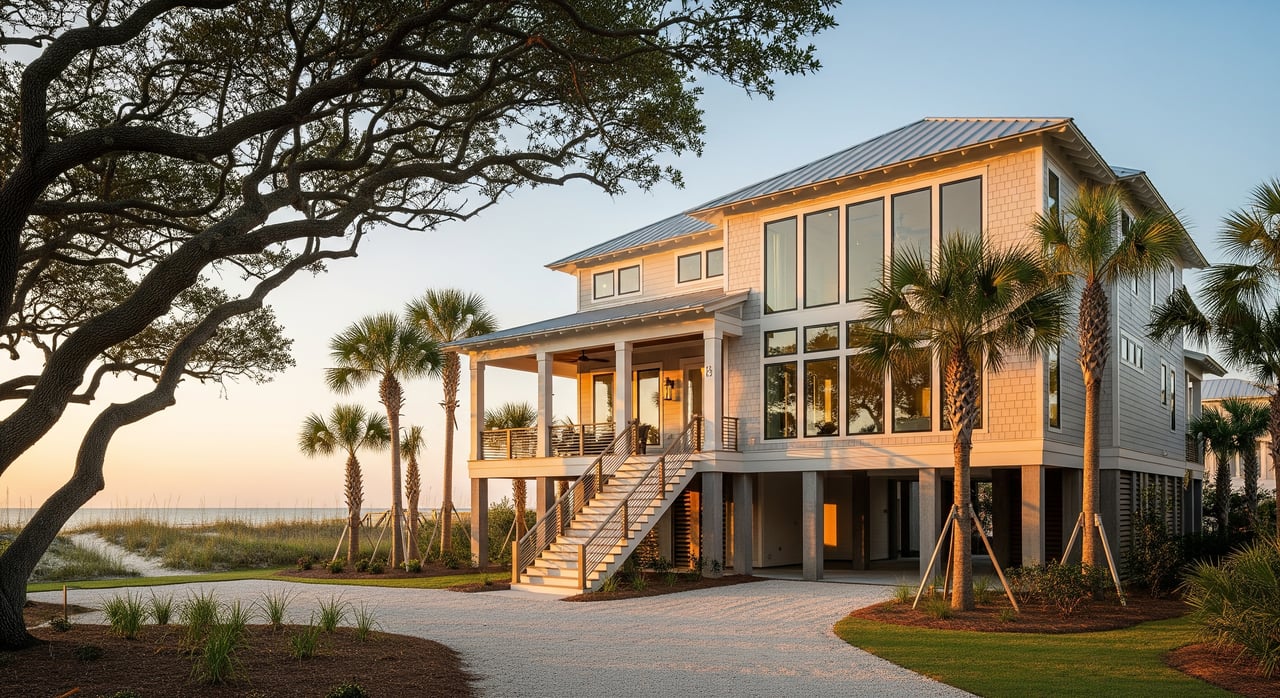
Are you wondering what will happen when your Navarre home gets appraised? You are not alone. On the Gulf, factors like flood zones, elevation, and water views can shape value in ways that surprise buyers and sellers. In this guide, you will learn how appraisals work, which coastal details matter most, how to prepare, and what to do if the number comes in lower than expected. Let’s dive in.
What a home appraisal is
A home appraisal is an independent opinion of market value prepared by a state‑licensed or certified appraiser for a specific client, usually your lender. The goal is to help the lender confirm the property is worth at least the loan amount. Appraisers follow professional standards called USPAP and state rules to keep the process consistent and unbiased. You can learn more about these standards from The Appraisal Foundation.
For most single‑family homes, the appraiser relies on the Sales Comparison Approach. They analyze recent sales of similar homes and adjust for differences like size, age, condition, location, and view. For new construction or unique homes, the Cost Approach may be used. For rentals and investment properties, the Income Approach can come into play.
Navarre appraisal process and timing
Every lender has a slightly different workflow, but most appraisals in Navarre follow a similar path:
- Order placed by lender, then the appraiser schedules the visit.
- On‑site inspection of interior and exterior, plus photos and measurements.
- Market research and comparable sale selection.
- Adjustments and analysis across the chosen approach or approaches.
- Report delivery back to the lender.
Timing often looks like 3 to 10 days to schedule the inspection and 1 to 7 days to finalize the report after the visit. Workload, seasonality, and property complexity can affect this timeline. Lenders and GSEs set requirements the appraiser must follow; see Fannie Mae’s selling guide for a policy overview.
Coastal factors that move value
Waterfront and view premiums
In Navarre, direct waterfront and true water views often command a premium. An appraiser will support any premium by comparing similar recent sales with similar access and views. Inland comps are less useful for beachfront or soundfront homes, so the appraiser aims to stay within the same micro‑market whenever possible.
Flood zones and elevation
Flood zone and elevation influence both lender requirements and buyer demand. The appraiser will note your FEMA flood zone (V, VE, AE, or X), whether the home is elevated, and the presence of an elevation certificate. You can look up zones with the FEMA Flood Map Service Center. If the property is in a special flood hazard area, lenders commonly require flood insurance. To understand coverage basics, review the National Flood Insurance Program.
Elevation above base flood level and mitigation features can reduce perceived risk and, in some cases, improve marketability. Appraisers consider how buyers in the area have been reacting to these factors in actual sales.
Hurricane‑ready construction
Florida’s building codes emphasize wind resistance and coastal durability. Appraisers take note of roof age and type, impact‑resistant windows and doors, hurricane straps, and other visible mitigation features. These details can increase buyer confidence and influence value in competitive coastal areas. For code background, visit the Florida Building Commission.
Salt air and shoreline change
Salt air can speed up corrosion and wear on exterior metals, HVAC equipment, and decking. Clear signs of deferred maintenance can lead to condition adjustments. Appraisers may also reference local shoreline change and erosion concerns if they are already influencing sales. To explore regional context, the NOAA Sea Level Rise Viewer offers useful mapping tools.
Insurance costs and demand
Wind and flood insurance premiums can affect what buyers are willing to pay. Appraisers do not plug premiums into a formula, but they do consider market behavior if higher carrying costs are causing buyers to favor certain homes over others.
How appraisers pick comparables here
Appraisers try to select recent, nearby, arms‑length closed sales that mirror your property’s features and location. In Navarre’s coastal neighborhoods, this local fit is essential. Key selection points include:
- Recency: sales within the last 3 to 6 months when available.
- Proximity: same neighborhood or very similar market area, ideally on the same side of the sound or barrier where access and demand are alike.
- Similar features: square footage, bed/bath count, lot size, age, renovations, parking, foundation type (elevated vs. slab), and pool.
- View and water status: direct waterfront, water‑view, or inland, with matched beach or boat access when possible.
Adjustments then account for differences, including size, condition, renovations, elevation, flood protection, and functional issues. If you are curious about local closed sales, the Santa Rosa County Property Appraiser site is a good place to see public records.
Prepare for your appraisal
Gather documents
Having facts ready helps the appraiser verify features and reduce guesswork. Put these items in a simple packet:
- Recent survey or plat showing property lines and water boundaries if applicable.
- Elevation certificate, especially for AE or V zones.
- Permits and final inspections for major work (roof, additions, decks, docks).
- Receipts and timelines for upgrades, plus any warranties.
- HOA or POA disclosures and fee schedules.
- A list of recent relevant closed sales and brief notes about why they compare.
- Evidence of wind mitigation or impact windows.
- Flood insurance declarations or a recent estimate for context.
Get the property ready
Small steps can make the inspection smoother and help the appraiser confirm condition:
- Clean and declutter so rooms, flooring, and finishes are easy to see.
- Provide clear access to the attic, mechanicals, crawlspace, and exterior features.
- Fix minor issues that suggest deferred maintenance or safety concerns.
- Label new systems or upgrades and set out documentation.
How your agent helps
Your agent can make the process easier while respecting the appraiser’s independence:
- Share a short list of settled comps with notes on waterfront status, elevation, and renovations.
- Deliver permits, surveys, elevation certificates, and improvement records.
- Prepare a factual features and upgrades sheet for the appraiser.
If the value comes in low
In coastal markets, thin sales data or fast‑moving prices can lead to valuation gaps. Here is a practical response plan:
- Review the report for factual errors. Confirm bed and bath count, square footage, lot size, view, and documented improvements. Ask the lender to correct any errors with proof.
- Provide additional closed sales. Focus on similar waterfront or water‑view properties where the premiums are clear. Lenders can request a reconsideration of value under their policies. See Fannie Mae guidance on appraisal policies for how lenders handle these reviews.
- Submit documentation. Include permits, an elevation certificate, wind mitigation reports, and photos that clarify features or condition.
- Renegotiate terms. Consider a price change, seller concessions, or bringing cash to bridge the gap between appraised value and contract price.
- Ask about a second opinion. Some lenders allow a second appraisal or an appraisal review, subject to their rules and loan program. FHA loans have specific processes, which you can review with your lender and at HUD’s resources.
Remember, appraisals must be defensible and free of pressure. A well‑supported data package works better than opinion or emotion.
Special notes for investors
If the home is a rental or you are evaluating potential rental use, the appraiser may also consider the Income Approach alongside comparable sales. Document leases, occupancy, and market rents. Clear records can make this part of the analysis more reliable.
Check credentials and consumer resources
Florida regulates appraiser licensing and consumer protection. If you want to learn more about appraiser qualifications, visit the Florida Department of Business and Professional Regulation. These resources explain licensing, complaints, and consumer rights.
Work with a local guide
Appraisals are data‑driven, but coastal nuance matters. Flood zones, elevation, building features, and water access can shift value by thousands of dollars. A local pro helps you prepare the right documents, point to the best comps, and navigate next steps with calm and clarity. If you want friendly, expert guidance for Navarre and the Emerald Coast, connect with Sara Davis to plan your move with confidence.
FAQs
What is a home appraisal in Navarre?
- It is an independent opinion of market value for your property, prepared by a licensed appraiser for a lender and based on local market data and standards.
How long does a Navarre appraisal take from start to finish?
- Many appraisals schedule within 3 to 10 days, with reports usually issued 1 to 7 days after inspection, depending on workload and property complexity.
Do flood zones affect appraised value in Navarre?
- Yes, zones like AE or VE can influence lender requirements and buyer demand, so appraisers note flood zone, elevation, and mitigation when analyzing recent sales.
What should I give the appraiser for a coastal home?
- Provide permits, surveys, an elevation certificate, upgrade receipts, HOA details, wind mitigation reports, and a short list of relevant closed sales.
Can I appeal a low appraisal on my Navarre home?
- You can ask your lender to request a reconsideration of value with better comps and documentation, or explore a second opinion if permitted by the loan program.
How do appraisers handle waterfront premiums in Navarre?
- They compare recent waterfront or water‑view sales to quantify premiums, then adjust for differences like size, condition, and access within the same micro‑market.